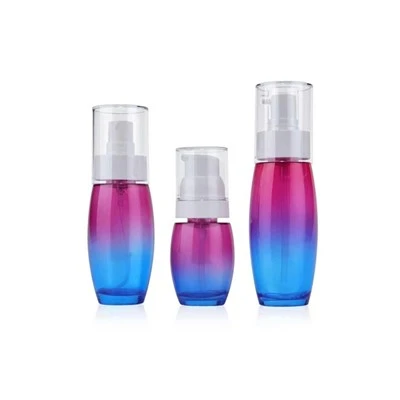
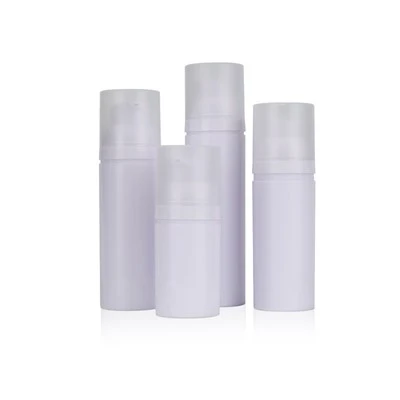
Company Advantage
Rich experience
For 15 years, we have been committed to the development of new materials, new shapes and functions to meet market needs and provide customers with the best packaging solutions.
Quality control
Control products quality strictly,Follow lean production management practices to improve product quality.
Professional team
The technology R&D center has a professional team and high-precision testing instruments to ensure the perfection of the mold structure.
Our certifications
In 2004, the company was established in Jindun and has passed the international ISO9001:2008 system.
What is Cosmetic Bottles
From a cosmetics manufacturer's point of view, the bottle is the most versatile packaging option for cosmetics. Why? Because it can be used for application, storage and packaging of cosmetics. The bottles can be used to contain cosmetics, medicines and household chemicals.A great advantage of the bottle is certainly its ergonomics. The shape and size of the bottle allows it to comfortably fit in the hand. What is more, dispensing the product is much easier with the help of the bottle.
-
![150ml/180ml Clear PET Cylindrical Cosmetic Toner Bottle With Electroplated Silver Cap]() 150ml/180ml Clear PET Cylindrical Cosmetic Toner Bottle W...Lotion Form 1.Can you provide customized packaging services? Absolutely. Our R&D team integrates brand design and tactile experience, providing customized solutions from mold design and product development to surface decoration...view more
150ml/180ml Clear PET Cylindrical Cosmetic Toner Bottle W...Lotion Form 1.Can you provide customized packaging services? Absolutely. Our R&D team integrates brand design and tactile experience, providing customized solutions from mold design and product development to surface decoration...view more -
![PE Plastic Bullet Shape Squeeze Bottles With Flip Top Cap For Skincare]() PE Plastic Bullet Shape Squeeze Bottles With Flip Top Cap...Form 1.Can you provide customized packaging services? Absolutely. Our R&D team integrates brand design and tactile experience, providing customized solutions from mold design and product development to surface decoration processes,...view more
PE Plastic Bullet Shape Squeeze Bottles With Flip Top Cap...Form 1.Can you provide customized packaging services? Absolutely. Our R&D team integrates brand design and tactile experience, providing customized solutions from mold design and product development to surface decoration processes,...view more -
![90ml Travel Size Beauty Mist Hydrating Toner Essence Spray Hair Care Moisturizing And Styling Sprays Set]() 90ml Travel Size Beauty Mist Hydrating Toner Essence Spra...Form 1.Can you provide customized packaging services? Absolutely. Our R&D team integrates brand design and tactile experience, providing customized solutions from mold design and product development to surface decoration processes,...view more
90ml Travel Size Beauty Mist Hydrating Toner Essence Spra...Form 1.Can you provide customized packaging services? Absolutely. Our R&D team integrates brand design and tactile experience, providing customized solutions from mold design and product development to surface decoration processes,...view more -
![300ml PE Plastic Beauty Packaging Containers For Skincare Serum Oil Custom Color Logo UV/Silk Screen Printing Round]() 300ml PE Plastic Beauty Packaging Containers For Skincare...Form 1.Can you provide customized packaging services? Absolutely. Our R&D team integrates brand design and tactile experience, providing customized solutions from mold design and product development to surface decoration processes,...view more
300ml PE Plastic Beauty Packaging Containers For Skincare...Form 1.Can you provide customized packaging services? Absolutely. Our R&D team integrates brand design and tactile experience, providing customized solutions from mold design and product development to surface decoration processes,...view more -
![500ml PE Plastic Cosmetic Packaging Containers With Pump Bottle For Skincare Serum Oil Custom Color Logo UV/Silk Screen Printing]() 500ml PE Plastic Cosmetic Packaging Containers With Pump ...Form 1.Can you provide customized packaging services? Absolutely. Our R&D team integrates brand design and tactile experience, providing customized solutions from mold design and product development to surface decoration processes,...view more
500ml PE Plastic Cosmetic Packaging Containers With Pump ...Form 1.Can you provide customized packaging services? Absolutely. Our R&D team integrates brand design and tactile experience, providing customized solutions from mold design and product development to surface decoration processes,...view more -
![750ml PE Plastic Cosmetic Containers For Skincare, Serum And Oil, Custom Color & Logo Available]() 750ml PE Plastic Cosmetic Containers For Skincare, Serum ...Form 1.Can you provide customized packaging services? Absolutely. Our R&D team integrates brand design and tactile experience, providing customized solutions from mold design and product development to surface decoration processes,...view more
750ml PE Plastic Cosmetic Containers For Skincare, Serum ...Form 1.Can you provide customized packaging services? Absolutely. Our R&D team integrates brand design and tactile experience, providing customized solutions from mold design and product development to surface decoration processes,...view more -
![400ml 500ml 800ml Clear Empty Pump Bottles With Pump Dispenser, Professional Skincare Packaging For Cosmetic Brands]() 400ml 500ml 800ml Clear Empty Pump Bottles With Pump Disp...Form 1.Can you provide customized packaging services? Absolutely. Our R&D team integrates brand design and tactile experience, providing customized solutions from mold design and product development to surface decoration processes,...view more
400ml 500ml 800ml Clear Empty Pump Bottles With Pump Disp...Form 1.Can you provide customized packaging services? Absolutely. Our R&D team integrates brand design and tactile experience, providing customized solutions from mold design and product development to surface decoration processes,...view more -
![100ml PE Plastic Cosmetic Containers For Skincare, Serum And Oil, Custom Color & Logo Available]() 100ml PE Plastic Cosmetic Containers For Skincare, Serum ...Form 1.Can you provide customized packaging services? Absolutely. Our R&D team integrates brand design and tactile experience, providing customized solutions from mold design and product development to surface decoration processes,...view more
100ml PE Plastic Cosmetic Containers For Skincare, Serum ...Form 1.Can you provide customized packaging services? Absolutely. Our R&D team integrates brand design and tactile experience, providing customized solutions from mold design and product development to surface decoration processes,...view more -
![350ml Premium Plastic Pump Bottles With Press Pump, Durable Empty Cosmetic Bottles For Beauty Brands, Multiple Sizes]() 350ml Premium Plastic Pump Bottles With Press Pump, Durab...Form 1.Can you provide customized packaging services? Absolutely. Our R&D team integrates brand design and tactile experience, providing customized solutions from mold design and product development to surface decoration processes,...view more
350ml Premium Plastic Pump Bottles With Press Pump, Durab...Form 1.Can you provide customized packaging services? Absolutely. Our R&D team integrates brand design and tactile experience, providing customized solutions from mold design and product development to surface decoration processes,...view more -
![300ml PE Plastic Cosmetic Containers For Skincare, Serum And Oil, Custom Color & Logo Available]() 300ml PE Plastic Cosmetic Containers For Skincare, Serum ...Form 1.Can you provide customized packaging services? Absolutely. Our R&D team integrates brand design and tactile experience, providing customized solutions from mold design and product development to surface decoration processes,...view more
300ml PE Plastic Cosmetic Containers For Skincare, Serum ...Form 1.Can you provide customized packaging services? Absolutely. Our R&D team integrates brand design and tactile experience, providing customized solutions from mold design and product development to surface decoration processes,...view more -
![120ml 200ml 240ml PE Plastic Empty Cosmetic Bottle For Beauty Packaging Skincare Shower Gel]() 120ml 200ml 240ml PE Plastic Empty Cosmetic Bottle For Be...Bottle Information Details Material : PE Capacity:120ml /200ml /240ml Application: Skin Care Product Color : Customized Color Size: 49.8*90mm/48.6*140.8mm/49*159.2mm Product Name:PE Cosmetic Bottle Product Description 120ml 200ml 240ml...view more
120ml 200ml 240ml PE Plastic Empty Cosmetic Bottle For Be...Bottle Information Details Material : PE Capacity:120ml /200ml /240ml Application: Skin Care Product Color : Customized Color Size: 49.8*90mm/48.6*140.8mm/49*159.2mm Product Name:PE Cosmetic Bottle Product Description 120ml 200ml 240ml...view more -
![Custom Logo Frosted PETG Pump Bottles For Skincare Haircare Packaging Wholesale]() Custom Logo Frosted PETG Pump Bottles For Skincare Hairca...Form 1.Can you provide customized packaging services? Absolutely. Our R&D team integrates brand design and tactile experience, providing customized solutions from mold design and product development to surface decoration processes,...view more
Custom Logo Frosted PETG Pump Bottles For Skincare Hairca...Form 1.Can you provide customized packaging services? Absolutely. Our R&D team integrates brand design and tactile experience, providing customized solutions from mold design and product development to surface decoration processes,...view more


Benefits of Cosmetic Bottles
Lightweight and Convenient
One of the primary reasons cosmetic bottles are popular among consumers is their lightweight and portable nature. Compared to traditional glass containers, Cosmetic bottles are significantly lighter, making them easy to carry around, especially for on-the-go consumers. Whether it's a refreshing beverage during a hike or a quick snack at work, the convenience of lightweight cosmetic bottles has won over consumers, fitting seamlessly into their active lifestyles.
Safety and Durability
Safety is a paramount concern for consumers, especially when it comes to food and beverage packaging. PET plastic bottles are well-regarded for their durability and non-toxic properties. They are shatter-resistant, reducing the risk of accidents and ensuring the product's integrity during transportation. Moreover, PET is approved as food-grade plastic, assuring consumers that their beverages or food products remain uncontaminated and safe for consumption.
Transparency and Product Visibility
Cosmetic bottles excellent transparency allows consumers to see the contents clearly, which is a significant advantage for both consumers and producers. Consumers can visually inspect the product's quality, color, and freshness before making a purchase decision. At the same time, manufacturers can showcase their beverages attractively, enticing consumers with appealing visuals. This transparency builds trust between consumers and brands, leading to a more satisfying shopping experience.
Versatile Design Options
PET plastic bottles offer an array of design options, making them suitable for various product types and marketing strategies. Manufacturers can mold cosmetic bottles into different shapes, neck sizes, volumes, surface textures and styles, allowing them to create unique and eye-catching packaging for their products. This design versatility helps products stand out on store shelves, catching the attention of potential buyers and boosting overall sales.PET plastic bottles have earned their popularity among consumers due to several compelling benefits.
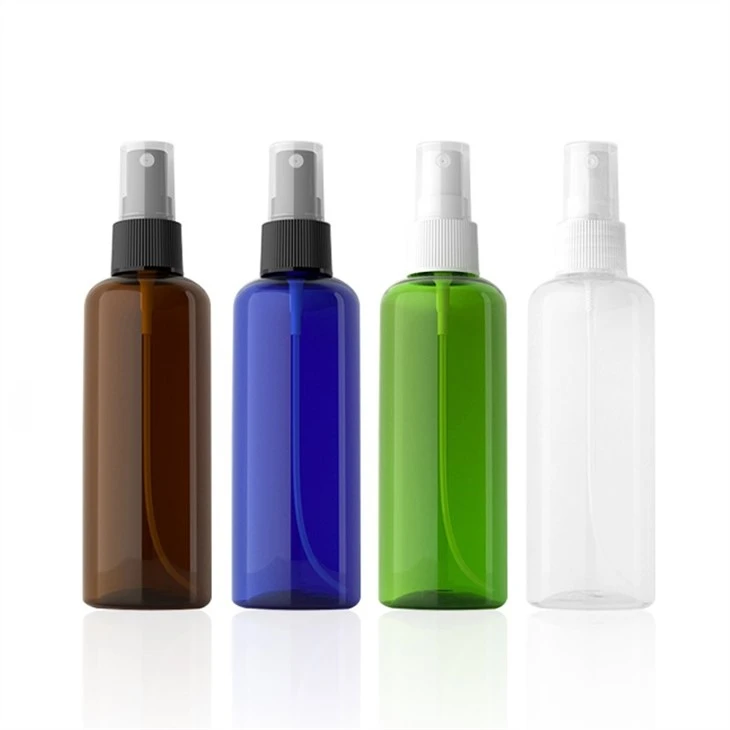
Skin care product packaging
Cosmetic bottles are one of the important choices for skin care product packaging. Due to the sealing, stability and aesthetics of glass bottles, they are often used to package lotions, creams, essences, lotions and other skin care products. Cosmetic bottles can ensure the purity and freshness of the product, while also helping to enhance the overall image and texture of the product.
Perfume container
As one of the representative products of cosmetics, perfume packaging containers also play an important role. Cosmetic bottles are ideal packaging materials for perfumes due to their tight lids and good sealing properties. Glass bottles can ensure the freshness and durability of the perfume, while also displaying the texture and brand image of the perfume.
Essential oil bottle
Essential oil is a kind of cosmetic that requires special packaging. Cosmetic bottles are widely used in essential oil packaging because of their stable chemical properties and airtightness. Essential oil cosmetic bottles are usually equipped with drip or spray heads, which are convenient for users to use while also ensuring the quality and purity of the essential oils.
Nail polish bottle
Nail polish is a special cosmetic product that requires the use of special packaging containers for storage. Cosmetic bottles are widely used as packaging for nail polish due to their tight caps and stable chemical properties. Cosmetic bottles ensure the purity and quality of nail polish, while also providing good protection.
Cosmetic Bottles Material

Glass
Glass, with its timeless elegance, has been a staple in the cosmetic industry for decades. It not only provides a luxurious feel but also ensures the protection of sensitive formulations. Glass bottles are particularly favored for high-end products, exuding sophistication and offering excellent chemical resistance.

Plastic
Plastic has revolutionized cosmetic packaging, offering versatility and affordability. Polyethylene (PET), polypropylene (PP), and polyethylene terephthalate (PETE) are commonly used plastics. PET, in particular, is renowned for its clarity and ability to mimic the look of glass while being lighter and more durable.
Acrylic
Acrylic, known for its clarity and glass-like appearance, is often used for high-end cosmetic bottles. It provides a sleek and modern aesthetic while offering excellent durability. Acrylic bottles are popular for showcasing premium skincare products.
Metal
Metal, especially aluminum, is employed for cosmetic bottles, primarily in the form of tubes or aerosol packaging. It is lightweight, easy to shape, and provides a barrier against light and air, ensuring product stability.
How to Choose Cosmetic Bottles
Materials
One of the most important factors when it comes to cosmetic bottles is material choice. Whether it's plastic, aluminium, glass, or even bioplastic, it needs to be suitable for the product in question, and not degrade whilst in contact with it.More than that, the material needs to be highly durable as (unless it's sample sized) the product is likely to be used over a long period of time. It therefore needs to be robust enough to handle regular handling and protect the product from heat, UV light, and air which can affect smell, texture, and colour, making it unusable.
Environment
A recent survey by Deloitte found that 61% of consumers had limited their plastic use in 2021, and 34% chose to buy from brands that had environmentally sustainable values and practices. That's why the environment is an increasingly important concern for businesses when it comes to product bottles. Choosing recyclable or recycled materials for your bottles means you'll still appeal to this significant portion of the market.
Design
People buy cosmetics not merely for their function, but also because of beauty and lifestyle aspirations, styles, and trends. That means cosmetic bottles needs to evoke specific emotions in consumers if it is to prove effective, making good design even more essential. The industry is also highly competitive, with many different brands vying for attention on the physical or digital shelves. That means your bottles needs to be tailored to your brand identity with a distinctive look and feel to ensure it draws the eye.
Usability
A cosmetic bottles solution is not a solution if it offers a poor user experience. Cosmetics are often used daily over the course of many months. That means your bottles needs to be convenient to use and dispense the product, and sustain this convenience over the entire course of its life.Consider the product you want to sell. Generally, it's intended use and viscosity will inform the type of bottles you choose. For example, thick formulations are better suited to jars, whereas liquids and thinner gels, creams, and lotions can work well in bottles and sachets. You may also want to consider whether you need something like a pump, spray nozzle, or screw top lid to provide added functionality.
Process Of Cosmetic Bottles
Plastic bottles often come to life through injection molding. The chosen plastic material is melted and injected into a mold, creating the desired bottle shape. This process allows for intricate designs and customization.
Both plastic and glass bottles can undergo blow molding. In this process, a hollow tube or "parison" of the material is formed and then inflated to the shape of the mold. It's a versatile method suitable for various bottle sizes.
Tubes, commonly used for products like creams and lotions, are often created through extrusion. The material is pushed through a die to form a continuous shape, which is then cut into individual tubes.
Glass bottles are typically formed through a process called "blown glass." Molten glass is gathered on the end of a blowpipe, shaped, and then inflated to the desired form. This method allows for the creation of intricate designs and unique shapes.
How to Maintain Cosmetic Bottles


Clean and Dry
Regularly cleaning your cosmetic bottles is crucial for its longevity. After each use, make sure to wash the jar and lid with mild soap and warm water. Avoid using harsh chemicals or abrasive scrubbers that can damage the jar's surface. After cleaning, allow the jar to air dry completely before refilling it with your cream.
Store in a Cool and Dry Place
Heat and moisture can negatively impact the lifespan of your cosmetic bottles and the products inside. To prevent spoilage and maintain the jar's integrity, store it in a cool and dry place away from direct sunlight and humidity. Consider keeping it in a cabinet or drawer to shield it from temperature fluctuations.
Avoid Contamination
Contamination can occur when you dip your fingers directly into the cosmetic bottles or use unclean spatulas or applicators. To prevent this, always use clean and sanitized tools to scoop out the desired amount of cream. If using your fingers, wash and dry them thoroughly before touching the cream.
Tighten the Lid Properly
The lid plays a crucial role in preserving the freshness and effectiveness of your cream. Make sure to tighten the lid securely after each use to prevent air from entering the jar. This will help maintain the cream's consistency and prevent it from drying out.
Use a Spatula or Pump Dispenser
If your cosmetic bottles doesn't come with a pump dispenser, consider using a clean spatula to scoop out the product. This will help minimize contact with bacteria and extend the lifespan of your cosmetic bottles. Remember to clean the spatula regularly to prevent any buildup.
Step-by-step cleaning process for cosmetic bottles
Step 1: Disassembling the Bottle
If applicable, disassemble the bottle by removing caps, pumps, droppers, or any other removable parts. This will allow for thorough cleaning of each component.
Step 2: Rinsing the Bottle
Start by rinsing the bottle and its components under warm water. This helps remove any loose debris, product residue, or contaminants.
Step 3: Soaking in Warm Soapy Water
Prepare a basin or sink filled with warm water and add a few drops of mild dish soap or gentle cleanser. Submerge the bottle and its components in the soapy water and let them soak for 10-15 minutes. This soaking process helps loosen any stubborn residue.
Step 4: Scrubbing and Cleaning
Using a bottle brush or small cleaning brushes, gently scrub the inside and outside of the bottle. Pay attention to hard-to-reach areas, corners, and crevices where residue may accumulate. For specialized bottles with narrow openings or delicate parts, you can use cotton swabs or Q-tips to clean them thoroughly.
Step 5: Rinsing and Drying
After scrubbing, rinse the bottle and its components under warm running water to remove any soap residue. Ensure that all cleaning agents are completely rinsed off. Place the cleaned bottle and its components on a clean towel or drying rack to air dry completely. Avoid using cloth towels that may leave lint or fibers behind.
Our Factory
Ellimi Plastic Products Co., Ltd was Founded in 2013, Which located in Shanghai&Pinghu Zhangjiang Industrial Zone,near from shanghai port. Our mission is to design and manufacture plastic packaging for the cosmetics and pharmaceutical industries.Since 2004, Our team have been carrying out all our activities of design, planning and construction of mould, injection moulding, blowing, decoration, logistics and shipping, to ensure that our customers receive the maximum efficiency and care they deserve.


Certificate

FAQ
We're well-known as one of the leading cosmetic bottles manufacturers and suppliers in China for our quality products and custom service. Please feel free to wholesale bulk cosmetic bottles made in China here from our factory.
cc cream cosmetic tubes, soft packaging tubes with sponge head, tubes with applicator cap