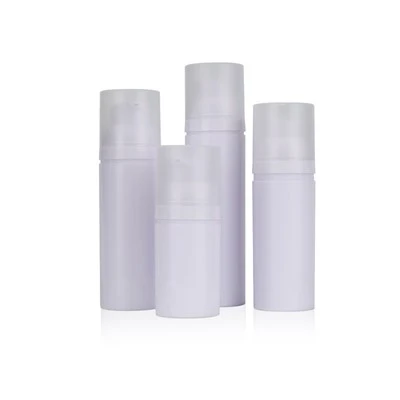
When it comes to packaging, there are several options available depending on the materials used, manufacturing techniques, and the intended use. Two common types of tubes used in packaging are extruded tubes and laminated tubes.
Extruded tubes are made by forcing melted plastic through a die to form a tube shape. This process is called extrusion and is capable of producing tubes with uniform thickness and diameter. Extruded tubes can be made from a variety of plastics such as polyethylene, polypropylene, and polyester. They are a cost-effective option for packaging products such as toothpaste, cosmetics, and pharmaceuticals.
On the other hand, laminated tubes are made by combining several layers of materials such as plastic, aluminum, and paper to form a tube. The layers are fused together to create a strong and durable packaging option. Laminated tubes are often used to package products that require high barriers to oxygen, moisture, and light. They are commonly used to package products such as food, pharmaceuticals, and personal care products.
The main difference between extruded and laminated tubes is the manufacturing process and the materials used. Extruded tubes are made from a single material and are produced using a single process. Laminated tubes, on the other hand, are made from multiple layers of materials and require specialized machinery to produce.
Extruded tubes are often a preferred option for products that don't require high barrier properties as they are often made from a single layer of plastic. They are a more affordable option compared to laminated tubes and are suitable for products that have a shorter shelf life.
Laminated tubes, however, are a better option for products that require high barrier properties such as food and pharmaceuticals. They are more expensive to produce compared to extruded tubes but offer superior protection against moisture, oxygen, and light. Laminated tubes also have a longer shelf life compared to extruded tubes, making them the ideal choice for products that require a longer shelf life.
In conclusion, both extruded and laminated tubes have their advantages and disadvantages depending on the type of product being packaged. Extruded tubes offer a cost-effective and reliable option for products that don't require high barrier properties, while laminated tubes offer superior protection for products that require high barriers to oxygen, moisture, and light. It is essential to consider the packaging requirements carefully before choosing between extruded and laminated tubes.