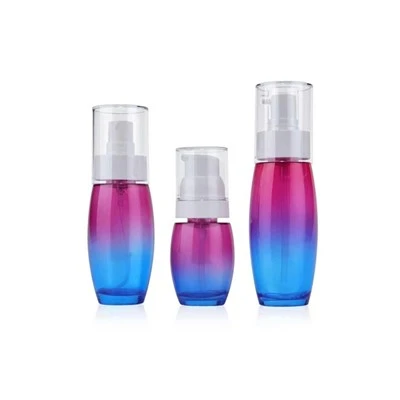
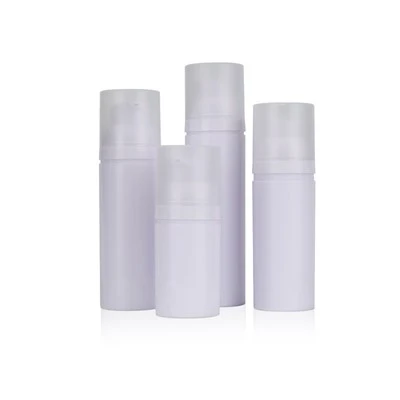
In the beauty and cosmetics industry, packaging plays a crucial role in not only protecting products but also attracting consumers. Among the various materials used for cosmetic packaging, High-Density Polyethylene (HDPE) and Low-Density Polyethylene (LDPE) stand out due to their unique properties and applications. This article explores the characteristics, production processes, printing technologies, and advantages of HDPE and LDPE in cosmetic packaging, providing insights that can help consumers and manufacturers make informed choices.
What Are HDPE and LDPE?
HDPE and LDPE are both types of polyethylene, a widely used plastic derived from petroleum. The key difference between them lies in their molecular structure. HDPE has a more linear structure with minimal branching, resulting in a denser and stronger material. In contrast, LDPE has a highly branched structure that makes it more flexible and lightweight.
HDPE: Strength and Durability
HDPE is known for its high strength-to-density ratio, making it an excellent choice for packaging that requires durability. It is commonly used for products such as shampoo bottles, lotion containers, and other personal care items that need to withstand wear and tear. The chemical stability of HDPE also means it can protect sensitive formulations from external elements like moisture and air.Production Process: The production of HDPE involves low-pressure polymerization methods using catalysts. This process allows manufacturers to control the properties of the final product effectively. Common manufacturing techniques for HDPE include blow molding and injection molding, which enable the creation of complex shapes suitable for various cosmetic products.Printing Technologies: To enhance branding and consumer appeal, HDPE packaging often undergoes surface treatments such as flame treatment to improve ink adhesion. Printing methods like flexographic printing are widely used to produce high-quality graphics on HDPE containers, making them visually appealing on store shelves.
LDPE: Flexibility and Convenience
On the other hand, LDPE is favored for its flexibility and ease of use. It is commonly found in soft tubes for creams, gels, and lotions. The soft nature of LDPE allows consumers to easily dispense products without much effort, making it a popular choice for everyday cosmetics.Production Process: LDPE is produced through high-pressure polymerization, resulting in a material that is less dense than HDPE. The manufacturing techniques for LDPE include extrusion and blow molding, which are efficient for producing flexible packaging solutions.Printing Technologies: Similar to HDPE, LDPE requires surface treatments to ensure effective printing. Flame treatment or static electricity treatment is often employed to enhance ink adhesion. Flexographic printing is also commonly used for LDPE packaging, allowing brands to create vibrant designs that attract consumers' attention.
Advantages of Using HDPE and LDPE
Both HDPE and LDPE offer distinct advantages that cater to different market needs:
Durability: HDPE's strength makes it ideal for products that require robust protection during transportation and storage.
Flexibility: LDPE's softness provides convenience for consumers who prefer easy-to-use packaging.
Chemical Resistance: Both materials exhibit excellent chemical resistance, ensuring that cosmetic formulations remain stable over time.
Recyclability: Both HDPE and LDPE are recyclable materials, aligning with the growing consumer demand for sustainable packaging solutions.
Conclusion
Understanding the roles of HDPE and LDPE in cosmetic packaging empowers both consumers and manufacturers to make informed decisions. While HDPE offers strength and durability suitable for high-end products, LDPE provides flexibility and convenience ideal for everyday use. As brands continue to innovate in their packaging solutions, choosing the right material can significantly enhance product appeal and consumer satisfaction.In an era where presentation matters as much as product quality, investing in effective packaging made from HDPE or LDPE can drive sales and foster brand loyalty. Whether you're a consumer looking for reliable beauty products or a manufacturer aiming to elevate your brand's image, recognizing the benefits of these materials will undoubtedly lead you toward smarter choices in cosmetic packaging.