The cosmetics industry is undergoing a profound transformation as sustainability becomes a central focus for both brands and consumers. In 2024, sustainable beauty is not just a trend; it is a necessity driven by growing environmental awareness and a shift towards conscious consumerism. As brands pivot to meet these demands, they are discovering that sustainability not only enhances their image but also drives customer engagement and sales. For businesses in the beauty sector, particularly those marketing on international trade platforms like Alibaba, embracing sustainable practices can significantly increase product visibility, click-through rates, and order volumes.
1. The Rise of Eco-Friendly Packaging
One of the most visible changes in the beauty industry is the shift towards eco-friendly packaging. Consumers are increasingly rejecting single-use plastics and excessive packaging in favor of products that minimize environmental impact. This has led to a surge in the use of recyclable, biodegradable, and reusable materials.
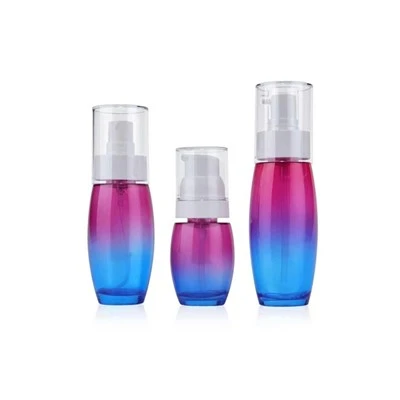
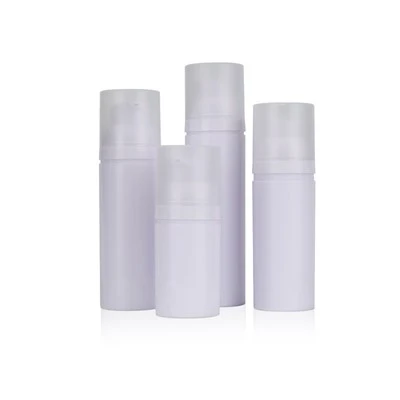
Brands are innovating in this space by offering packaging solutions that are not only sustainable but also aesthetically pleasing. For instance, companies are exploring the use of materials such as glass, bamboo, and aluminum, which are not only eco-friendly but also give products a premium feel. Moreover, the development of refillable packaging systems is gaining traction, allowing consumers to reuse containers, thus reducing waste. This trend aligns with the broader movement towards a circular economy, where resources are continuously reused rather than discarded.
On platforms like Alibaba, where visual appeal is crucial for attracting clicks and sales, eco-friendly packaging that is both functional and attractive can set products apart from competitors. Highlighting sustainable packaging in product descriptions and marketing materials can also resonate with environmentally conscious consumers, driving higher engagement and conversion rates.
2. Clean Beauty: Transparency and Ethical Sourcing
The clean beauty movement, which emphasizes the use of safe, non-toxic ingredients, has become a dominant force in the industry. However, clean beauty is no longer just about what is inside the bottle-it is also about how ingredients are sourced and the ethical implications of their use. Consumers are demanding transparency in every aspect of the production process, from ingredient sourcing to manufacturing practices.
Brands that prioritize ethical sourcing, fair trade, and cruelty-free certifications are gaining favor among consumers who value products that align with their values. This trend has led to the rise of certifications like Leaping Bunny, Fair Trade, and Ecocert, which serve as trusted symbols of a brand's commitment to ethical practices.
For companies selling on international platforms, emphasizing certifications and ethical sourcing in product listings can significantly enhance credibility and trust. By clearly communicating these values, brands can attract a loyal customer base that is willing to pay a premium for products that align with their ethical standards.
3. Upcycled Ingredients: Reducing Waste and Enhancing Product Value
As the industry pushes towards zero waste, the use of upcycled ingredients is emerging as a key trend. Upcycling involves repurposing by-products from other industries or unused parts of plants to create effective cosmetic ingredients. This approach not only reduces waste but also offers unique benefits, as these ingredients are often rich in nutrients and antioxidants.
For example, coffee grounds, fruit peels, and even brewery by-products are being transformed into high-performance skincare and haircare products. These upcycled ingredients not only appeal to eco-conscious consumers but also add a story to the product, enhancing its marketability.
On platforms like Alibaba, where product differentiation is crucial, highlighting the use of upcycled ingredients can capture the attention of consumers looking for innovative and sustainable options. This strategy not only positions the brand as an environmental leader but also taps into the growing demand for products that offer both efficacy and sustainability.
4. Consumer Education and the Role of Technology
As sustainability becomes more ingrained in the beauty industry, educating consumers about the environmental impact of their purchases is becoming increasingly important. Brands are leveraging technology to provide transparency and traceability, using tools like QR codes, blockchain, and digital platforms to share the story behind each product.
These technologies allow consumers to trace the journey of ingredients from farm to shelf, ensuring that the products they purchase are truly sustainable. This level of transparency not only builds trust but also empowers consumers to make informed decisions.